What Children Can Teach Us About Movement: Reclaiming Effortless Mobility
As adults, many of us marvel at the way children move — their boundless energy, effortless flexibility, and natural ability to climb, run, and play. But is this "childlike" movement really out of reach for us? In this post, we’ll explore how observing children can inspire us to reconnect with our natural movement patterns and reclaim our physical freedom. By focusing on four key areas—sprinting, barefoot movement, climbing, and spending time on the floor—we can rediscover what it means to move effortlessly and efficiently.
The Importance of Sprinting
Sprinting is one of the most primal and effective forms of movement. It’s something we all did as kids without even thinking about it. Whether it was running away from a game of tag or chasing after a ball, sprinting was second nature. But as adults, sprinting can feel daunting, often associated with injury risks or the need for a warm-up routine.
Reintroducing sprinting into your life doesn’t mean you have to go all out on day one. Start small. Focus on short bursts of running at a comfortable pace and gradually build up your intensity. Sprinting not only strengthens your cardiovascular system but also engages your muscles in ways that walking or jogging simply can’t. The key is to make it a consistent part of your movement practice, just as kids do naturally.
Embracing Barefoot Movement
Children’s feet are often bare, allowing them to connect directly with the ground. This natural contact strengthens their foot muscles and improves balance and proprioception. Unfortunately, modern footwear—with its excessive cushioning and restrictive designs—can weaken our feet over time.
To rediscover the benefits of barefoot movement, start by spending more time without shoes in safe, natural environments. Walk on grass, sand, or dirt to awaken the sensory feedback in your feet. Gradually incorporate barefoot movement into your exercise routines. This practice not only strengthens your feet but also helps align your entire body, enhancing your overall movement efficiency.
The Art of Climbing
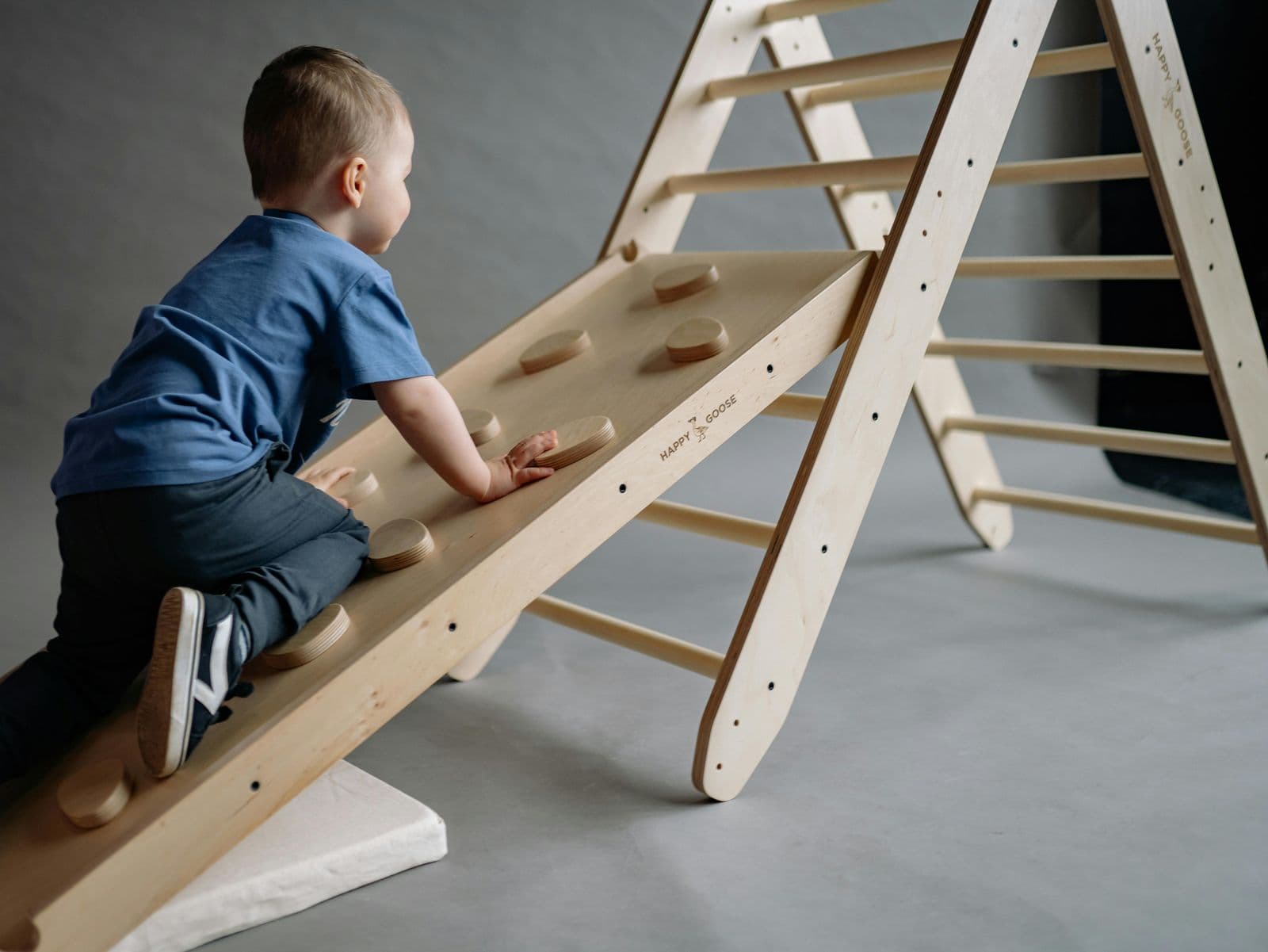
Climbing is another activity that kids engage in instinctively. Whether it’s scaling a tree, navigating monkey bars, or scrambling up a hill, climbing challenges their grip strength, coordination, and problem-solving abilities.
As adults, we often lose this skill due to a lack of practice. However, climbing can be reintroduced in simple ways. Start by incorporating pull-ups or hanging exercises into your routine. Explore climbing walls or natural outdoor settings when possible. Even small, consistent efforts—like climbing twice a week—can lead to significant improvements in strength and mobility over time. Climbing also mimics the natural, fluid movement patterns we see in children, making it a fantastic way to reconnect with your body.
Spending Time on the Floor
Children spend a surprising amount of time on the floor. They sit, crawl, roll, and play in positions that require constant engagement of their core and mobility in their joints. In contrast, adults often confine themselves to chairs, couches, and other soft surfaces that limit their range of motion.
Reintroducing floor time into your life can be transformative. Simply sitting on the floor—whether cross-legged, with legs extended, or in a kneeling position—challenges your body in ways that modern furniture does not. It’s a subtle yet powerful way to improve your flexibility, core strength, and overall comfort in movement.
Try this: Find a hard surface and sit on the floor. Notice how your body feels. Can you sit comfortably, or does it feel awkward or challenging? If it’s the latter, spending more time on the floor could help restore your mobility and make daily activities easier as you age. Plus, being comfortable on the floor allows you to interact more naturally with children or grandchildren, enhancing those precious moments of connection.
The Philosophy of Movement
One of the broader takeaways from observing children is the way they interact with their environment. To them, the world is a playground. Surfaces aren’t just static objects but tools that they engage with to create movement and adaptation. This mindset can teach us a lot about how we approach our own movement practices.
For instance, consider the ground as more than just something you walk on. It’s a tool that shapes your body’s response over time. Walking, sitting, and even lying on different surfaces challenge your muscles and joints in unique ways, fostering adaptation and growth. By viewing the environment as a dynamic partner in your movement journey, you can cultivate a deeper connection with your body and surroundings.
Reclaiming Natural Movement
Ultimately, the way children move isn’t a mysterious gift—it’s a skill honed through repetition, practice, and interaction with their environment. Unfortunately, many of these abilities atrophy as we age due to sedentary lifestyles and modern conveniences. The good news is that it’s never too late to reclaim these skills.
By sprinting, spending time barefoot, climbing, and sitting on the floor, you can begin to rebuild the foundations of natural movement. These practices don’t require expensive equipment or complex routines. They simply require consistency and a willingness to step outside your comfort zone.
Final Thoughts
The next time you watch a child sprint across a park, climb a tree, or sit comfortably on the floor, let it serve as a reminder of what’s possible. With a little effort and intentionality, you can move like that too. So take off your shoes, find a tree to climb, or simply sit on the floor and see how it feels. Reconnect with your body, and rediscover the joy of movement.
Thank you for reading, and here’s to a life of effortless, natural movement!
(This article is extracted from Episode 56 of Beyond Physical, authored by Seb.)